 beyond-crisis.com – Real-Time Analysis & Quick Views
 beyond-crisis.com – Real-Time Analysis & Quick Views
Hair loss is a common problem many people often suffer from, regardless of their age or sex. However, most people ignore it thinking it is a cosmetic concern. While some amount of hair loss is okay, but if persists and is unusually high then it may signal towards underlying health issues. Our hair is often one of the first things to reflect internal imbalances— long before other symptoms show up. That’s why paying attention to sudden or excessive hair loss is so important. Here we list some hidden health problems that hair fall can subtly indicate, so you can address the root cause instead of just treating the symptom:

Both hypothyroidism and hyperthyroidism can trigger hair fall. A 2023 study titled 'Impact of Thyroid Dysfunction on Hair Disorders' states that, 'Conditions such as hyperthyroidism, hypothyroidism, and drug-induced hypothyroidism have been associated with widespread hair shedding. In approximately 50% of individuals with hyperthyroidism and 33% with hypothyroidism, hair loss is observed.'
That's because the thyroid gland controls hormones that regulate hair growth. And so, an imbalance in thyroid levels can make hair thin, brittle, or fall out excessively.
Low iron levels in the body lead to reduced oxygen supply to hair follicles, thus weakening them. This often causes diffuse thinning across the scalp, especially in women. A study titled 'Thyroid hormone signaling controls hair follicle stem cell function' published in Molecular Biology of the Cell 2015 shows found lower serum ferritin levels (related to iron levels in the body) in female pattern hair loss patients compared to healthy people. This suggests that iron deficiency plays a role, especially in premenopausal women.
Along with hair thinning, iron deficiency or Anemia can also cause fatigue and pale skin.
Sometimes, hormonal imbalances in women-- like PCOS or hormonal changes during menopause-- can lead to hair loss and disrupt normal hair growth. Increased androgen levels in women may also lead to thinning of hair and unwanted facial hair.
For patients with autoimmune diseases, their immune system in some cases mistakenly attacks hair follicles. This can lead to patchy hair loss. In conditions like lupus, shedding may come with fatigue, joint pain, or skin issues. A study titled 'Systemic Lupus Erythematosus Presenting as Alopecia Areata' published in Cureus 2020 states 'Alopecia areata and systemic lupus erythematosus are both autoimmune diseases... An increased risk of developing systemic lupus erythematosus has been observed in individuals with alopecia areata.'
Human hair are made up of made up of keratin, which is a tough protein. Each strand has three layers: the cuticle (outer layer), cortex (middle, gives strength and colour), and medulla (inner core). Hair also contains lipids, water, and trace minerals. And so, a deficiency of protein, Vitamin D, B12, or zinc can weaken one's hair structure. A poor diet or crash dieting often reflects in one's dull hair and excessive shedding.
Newer articles
Older articles

 Hetmyer's Heroics: Orcas Stun MI New York with Last-Ball Six in Record-Breaking MLC Chase
 IRCTC's AI Chatbot, AskDisha 2.0, Streamlines Train Ticket Booking, Refunds & Information
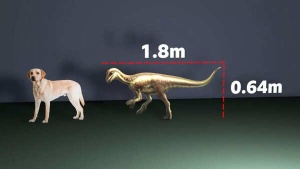 Dog-Sized Dinosaur Fossil Unearths New Insights into Prehistoric Life Alongside Giants
 Watch: Taylor Swift's engagement news interrupts Jannik Sinner's US Open match
 Android Users Face Critical Security Risks: Update Your Devices Now, Warns Government Agency
 West Indies Captain Chase Slams Umpiring After Test Loss, Demands Accountability
 Greg Chappell Hails Rishabh Pant's "Revolutionary" Batting, Likens Him to Gilchrist
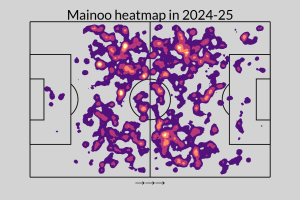 Transfer rumors, news: Man Utd set Garnacho fee for Chelsea move at £50m
 New Zealand Cricket Announces Packed 2025-26 Home Schedule Featuring Australia, England, West Indies & South Africa
 Freestyle Chess India Event Scrapped Due to Sponsorship Issues; Carlsen Absence Confirmed