 beyond-crisis.com – Real-Time Analysis & Quick Views
 beyond-crisis.com – Real-Time Analysis & Quick Views
We meet and talk to different people every day– at work, outside, or at home. While words carry part of the message, a lot of what someone really feels is shown through their actions and behaviour. Things like body language, tone of voice, and small gestures often say much more than the actual words.
Noticing these little signs doesn’t need any special training. It just takes being present, observant, and aware of what people may be expressing without saying it directly.
Here are seven simple cues that can help you understand someone better– beyond what they say out loud.

How a person sits or stands can reveal how they feel. A straight and relaxed posture usually signals confidence or comfort. But if someone is hunched, has crossed arms, or turns slightly away, it may mean they feel uneasy or closed off.
Eye contact is a strong clue. Comfortable eye contact usually shows interest and engagement. If someone keeps looking away, blinking often, or avoiding your gaze, it may point to nervousness, distraction, or discomfort. Context matters though, so don’t jump to conclusions too quickly.
Facial expressions often give away real feelings. A genuine smile reaches the eyes, while a forced one doesn’t. Small reactions– like raised eyebrows or a tight jaw– can reveal surprise, stress, or tension, even when someone tries to hide it.
Relaxed people usually have open, steady hand gestures. Fidgeting, clenching fists, or constantly touching the face can be signs of stress or nervousness. These small movements often show what words don’t.
The way something is said often matters more than the words. A calm and steady tone suggests clarity and control, while a rushed or shaky tone may reflect stress or urgency. Sudden changes in pitch or volume can point to frustration or pressure.
People naturally adjust how close or far they stand depending on how they feel. Moving closer usually means comfort, while stepping back or keeping more distance can signal discomfort. These shifts are small but telling.
Sometimes, what people say doesn’t match what they show. For example, someone might say, “I’m fine,” but avoid eye contact or fidget nervously. This mismatch doesn’t always mean dishonesty, but it often hints that something else is going on.
Newer articles
Older articles

 Hetmyer's Heroics: Orcas Stun MI New York with Last-Ball Six in Record-Breaking MLC Chase
 IRCTC's AI Chatbot, AskDisha 2.0, Streamlines Train Ticket Booking, Refunds & Information
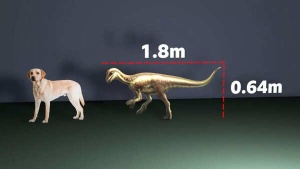 Dog-Sized Dinosaur Fossil Unearths New Insights into Prehistoric Life Alongside Giants
 Watch: Taylor Swift's engagement news interrupts Jannik Sinner's US Open match
 Android Users Face Critical Security Risks: Update Your Devices Now, Warns Government Agency
 West Indies Captain Chase Slams Umpiring After Test Loss, Demands Accountability
 Greg Chappell Hails Rishabh Pant's "Revolutionary" Batting, Likens Him to Gilchrist
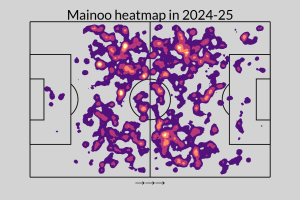 Transfer rumors, news: Man Utd set Garnacho fee for Chelsea move at £50m
 New Zealand Cricket Announces Packed 2025-26 Home Schedule Featuring Australia, England, West Indies & South Africa
 Freestyle Chess India Event Scrapped Due to Sponsorship Issues; Carlsen Absence Confirmed