 beyond-crisis.com – Real-Time Analysis & Quick Views
 beyond-crisis.com – Real-Time Analysis & Quick Views
Liver diseases are escalating worldwide, with a noticeable increase in conditions like non-alcoholic fatty liver disease (NAFLD), hepatitis, and cirrhosis. A 2023 report indicates a surge in liver-related deaths over the past decade, largely fueled by lifestyle factors and delayed diagnoses. The insidious nature of liver disease lies in its silent progression, often reaching critical stages before symptoms become apparent. Recognizing early warning signs is crucial for timely intervention.
Here are five critical symptoms of liver disease that demand immediate medical attention:
Vomiting blood, also known as hematemesis, is a significant indicator of serious liver disease, particularly cirrhosis. The blood may appear bright red or resemble coffee grounds. This symptom often arises from ruptured varices, which are enlarged veins in the esophagus or stomach, frequently associated with advanced liver disease like cirrhosis. The liver's compromised ability to regulate blood flow can lead to pressure buildup in the portal vein system. Immediate medical intervention is crucial, as delaying treatment can result in severe blood loss or shock.

While often linked to respiratory issues, difficulty breathing can also signal severe liver disease. Experiencing shortness of breath is a critical symptom. Individuals with chronic liver disease may develop fluid buildup in the abdomen (ascites) or lungs (hepatic hydrothorax), which can compress the diaphragm, making breathing difficult. Anemia, resulting in reduced oxygen-carrying capacity due to internal bleeding, is another potential cause. Immediate medical evaluation is necessary.
The appearance of black, tarry, or unusually dark stools is a red flag. This condition, known as melena, often indicates bleeding in the upper digestive tract. Internal bleeding from ruptured varices or ulcers, frequently exacerbated by the liver's impaired ability to produce essential clotting factors, is a common cause. The stool may also be sticky and have a foul odor. Prompt medical attention is essential to identify and stop the source of bleeding.
Unusual confusion, disorientation, or difficulty staying awake should never be ignored. These symptoms may indicate hepatic encephalopathy, a brain dysfunction resulting from liver failure. This condition occurs when the liver is unable to effectively filter toxins like ammonia from the blood. These substances accumulate and impair cognitive function. Immediate medical care is crucial to manage toxin levels and prevent permanent brain damage.
Yellowing of the eyes and skin, known as jaundice, is a critical symptom of liver dysfunction, especially if it appears suddenly. This condition occurs when the liver fails to properly process bilirubin, a waste product from red blood cells. While jaundice can have other causes, new or worsening cases without prior symptoms may indicate serious liver disease. If jaundice is accompanied by other signs such as fatigue or abdominal pain, immediate medical care is warranted.
Disclaimer: This information is for general knowledge only and should not be considered a substitute for professional medical advice.
Newer articles
Older articles

 Hetmyer's Heroics: Orcas Stun MI New York with Last-Ball Six in Record-Breaking MLC Chase
 IRCTC's AI Chatbot, AskDisha 2.0, Streamlines Train Ticket Booking, Refunds & Information
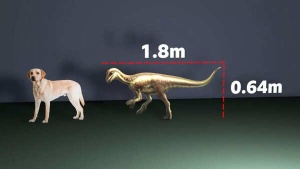 Dog-Sized Dinosaur Fossil Unearths New Insights into Prehistoric Life Alongside Giants
 Android Users Face Critical Security Risks: Update Your Devices Now, Warns Government Agency
 West Indies Captain Chase Slams Umpiring After Test Loss, Demands Accountability
 Watch: Taylor Swift's engagement news interrupts Jannik Sinner's US Open match
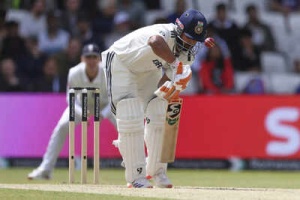 Greg Chappell Hails Rishabh Pant's "Revolutionary" Batting, Likens Him to Gilchrist
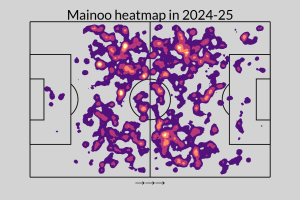 Transfer rumors, news: Man Utd set Garnacho fee for Chelsea move at £50m
 New Zealand Cricket Announces Packed 2025-26 Home Schedule Featuring Australia, England, West Indies & South Africa
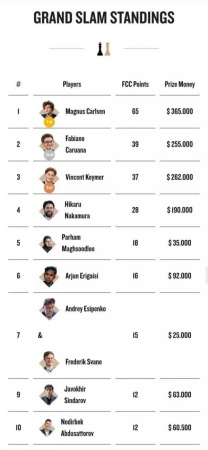 Freestyle Chess India Event Scrapped Due to Sponsorship Issues; Carlsen Absence Confirmed